News
Autumn is the ideal time to consider installing a dead hedge on your property to increase biodiversity.
A simple, yet highly effective natural structure, it combines functionality with significant ecological benefits. Don’t be put off by the name – dead hedges are teeming with wildlife, providing shelter, habitat and food for a wide variety of species.
What is a dead hedge?
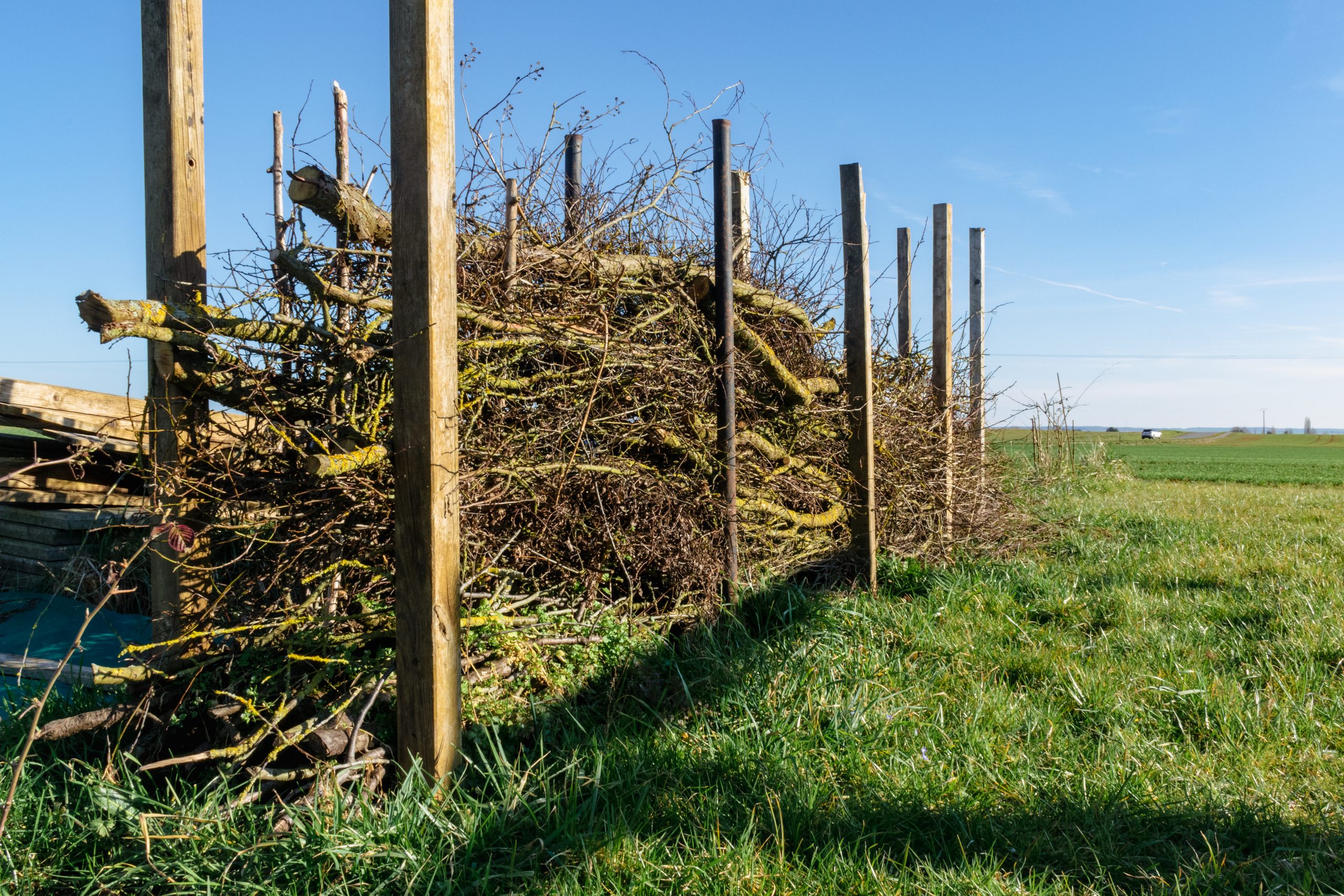
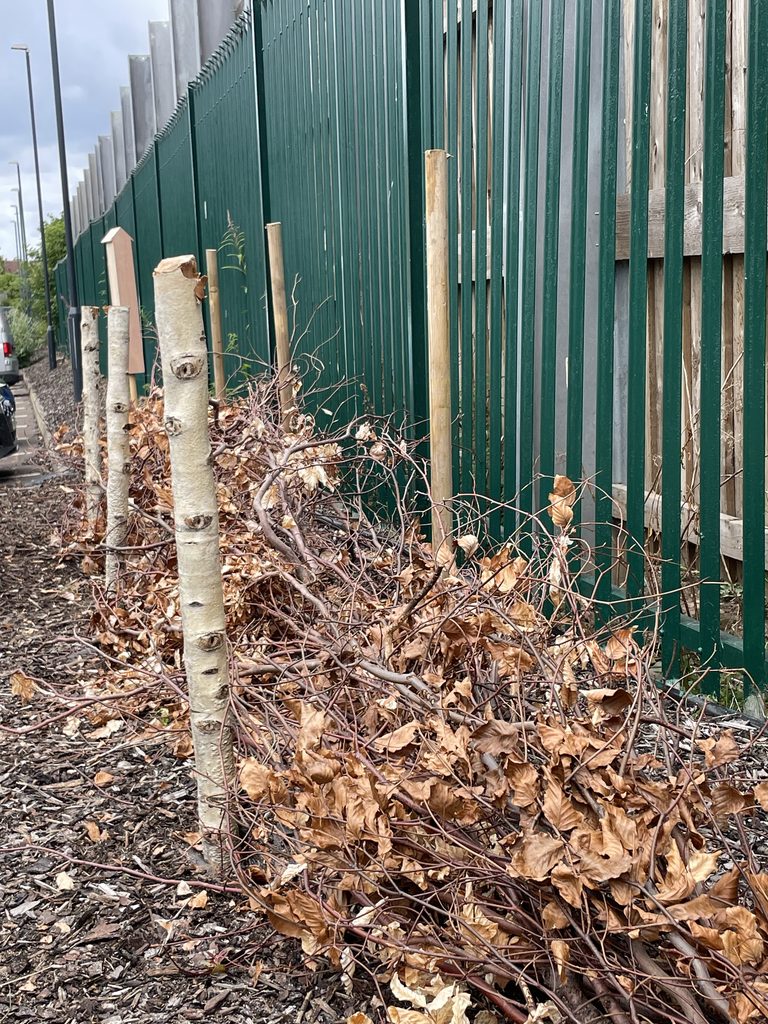
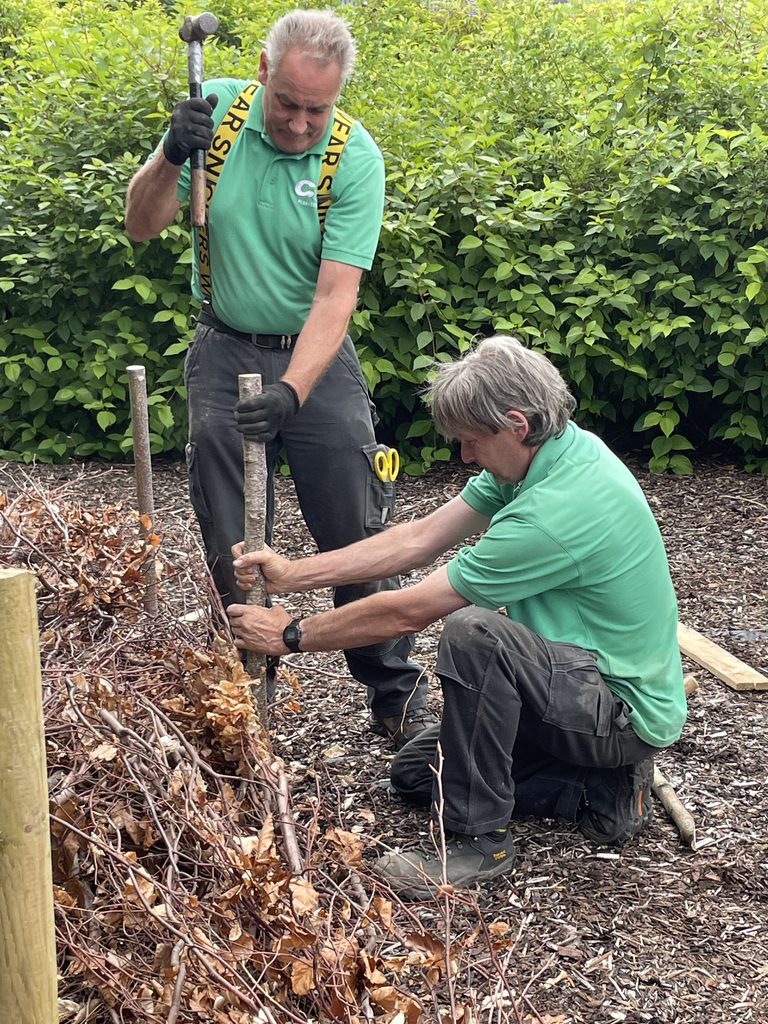
A dead hedge is a natural structure that comprises two rows of stakes hammered into the ground, a couple of feet apart and leaving a gap of around 18 inches to two feet between the two rows. The space between the rows is then filled with discarded branches, twigs and leaves to create a natural barrier.
Benefits of a dead hedge
A dead hedge provides multiple benefits, making it an ideal feature to improve the resilience of your landscape.
Construction – Simple to construct, a dead hedge can be installed quickly and at low cost. Aside from the stakes, the hedge is often made from organic material already collecting on your landscape.
Biodiversity – A dead hedge Is anything but. The natural structure provides a home for mice and hedgehogs, nesting and roosting sites for birds and insects such as bees and beetles thrive in the decomposing wood.
Soil enrichment – As the organic material in the hedge decomposes, nutrients are added to the soil to enhance the quality of the growing medium.
Functionality – Strategically positioned the hedge can be used to separate areas, direct pedestrian traffic or provide a windbreak.
Carbon capture – By keeping fallen wood and branches on your property rather than burning them, carbon is retained within the hedge, helping to mitigate climate change.
Low maintenance – With time, the material in the dead hedge will compact and flatten. To maintain the hedge height this is simply topped up with more organic waste.
Waste reduction – Installing a dead hedge rather than an artificial fence, negates the need to dispose of fencing materials at the end of its lifetime.
As the days shorten and the winds strengthen, branches, twigs and leaves litter our landscapes, creating hazards and an unkempt appearance. Building a dead hedge is a low-cost, highly effective way to clear this debris and tidy your property. Instead of throwing away landscape waste, you transform it into a thriving habitat that brings vital biodiversity back to urban landscapes.